World Photo Tour / The field journalPlaces · Light · Stories
Look closer. Travel slower.
A good photograph begins before the shutter.
Travel photography is a way of paying attention. The destination matters, but so do the time you spend there, the light you notice, and the care you take with people and places.
World Photo Tour brings destination research, practical planning, and photographic ideas into one independent journal. Start with a place that interests you, then build a journey with room to observe. Our guides help you compare settings, prepare a manageable route, and make photographs that feel connected rather than collected.
You can use the ideas with a phone, a compact camera, or a larger kit. Familiar equipment and a clear visual question often matter more than another lens. Whether you are planning your first photography weekend or looking for a different approach to a familiar city, choose one small project and give it time.
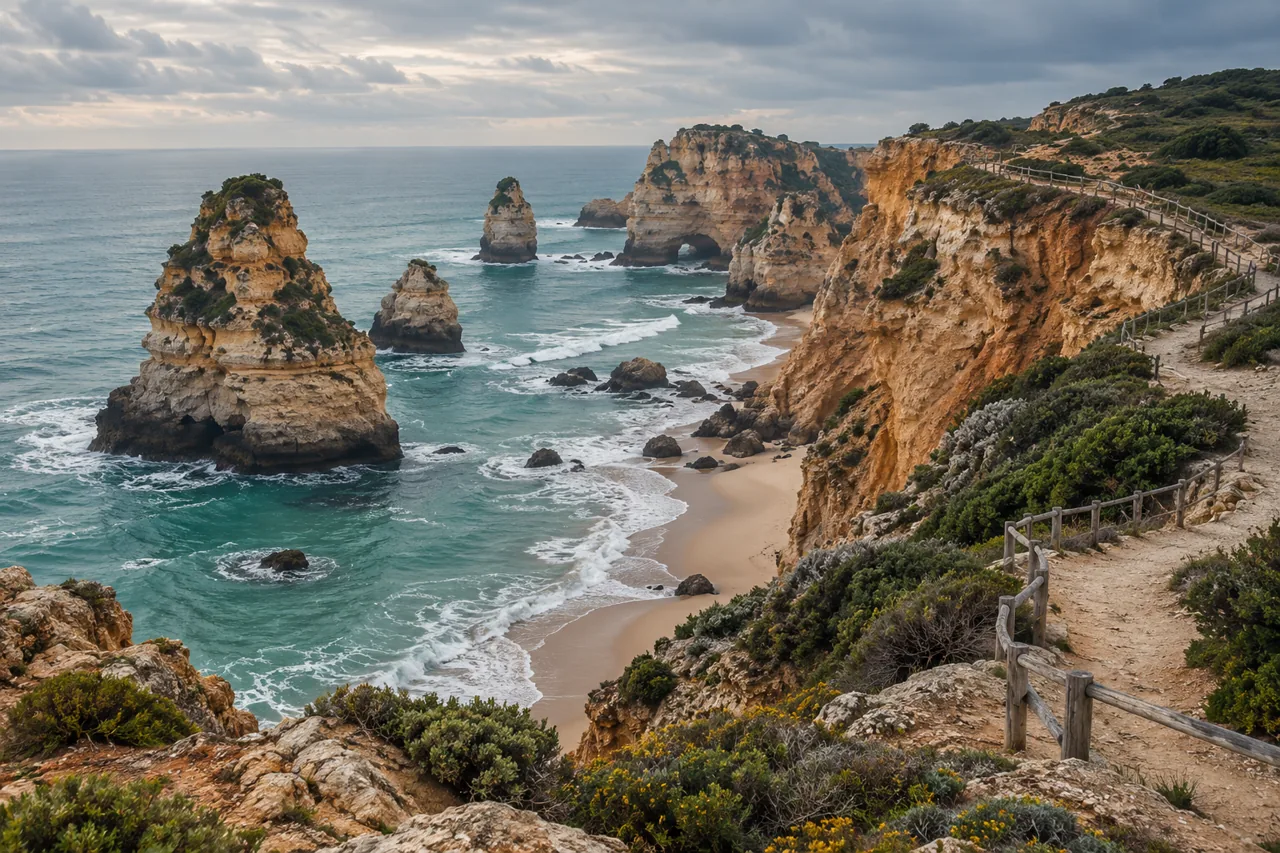
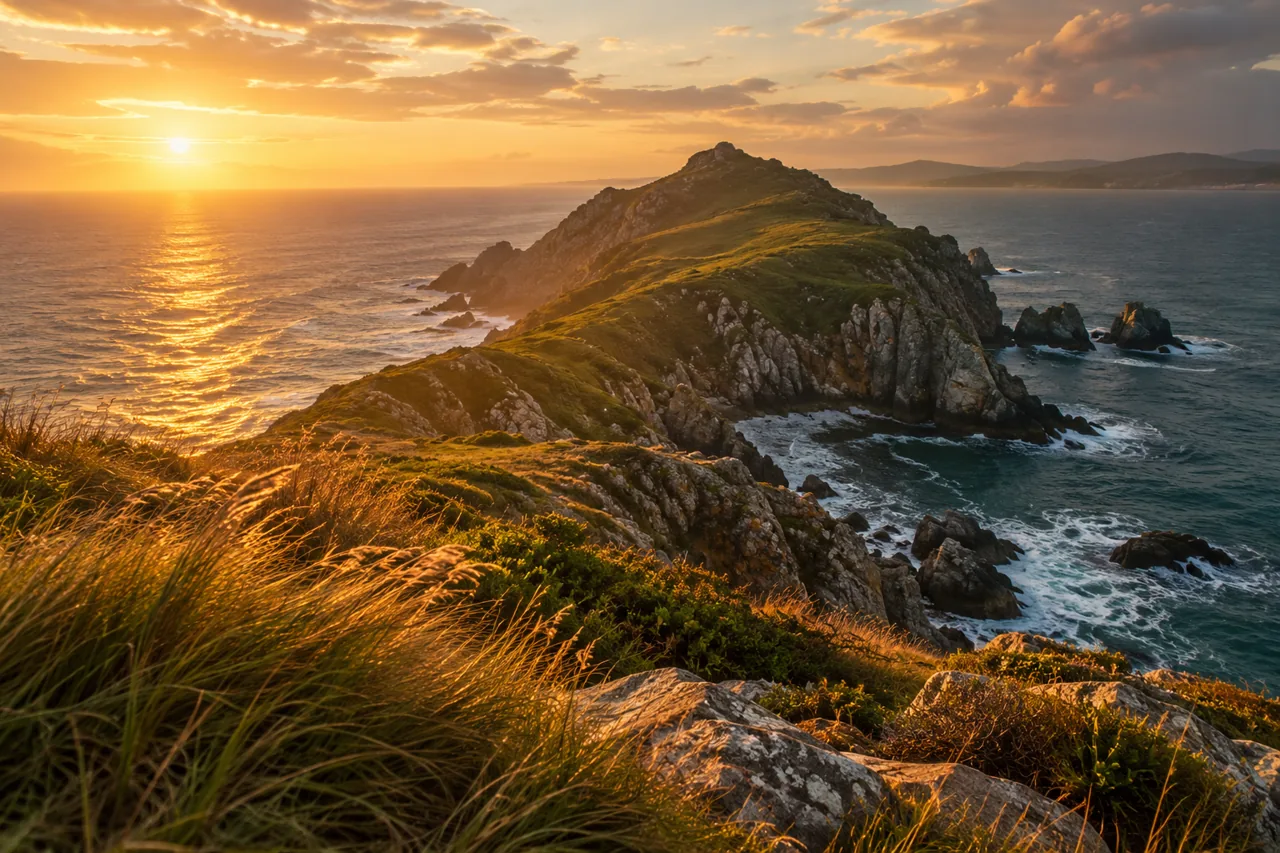
Coastal scenes offer layers: foreground rock, moving water, and a distant headland. Decide which layer carries the picture, then use the others to give it context. A sheltered harbor can offer a different story from an exposed overlook.
Research safe viewpoints and local tide guidance before a session. Do not move closer to an edge or into the water merely to simplify the frame. Weather can change the outing; a thoughtful backup keeps one ambitious view from controlling the whole trip.
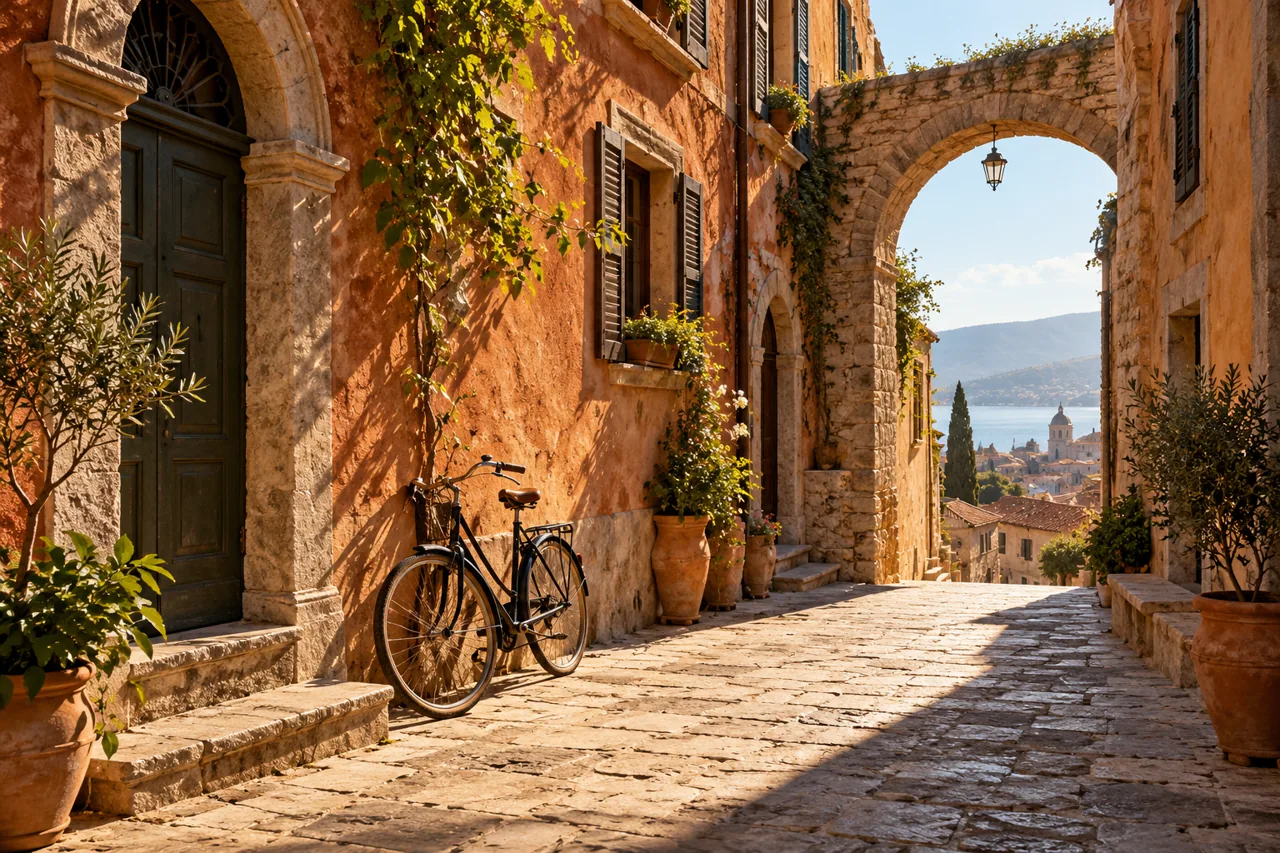
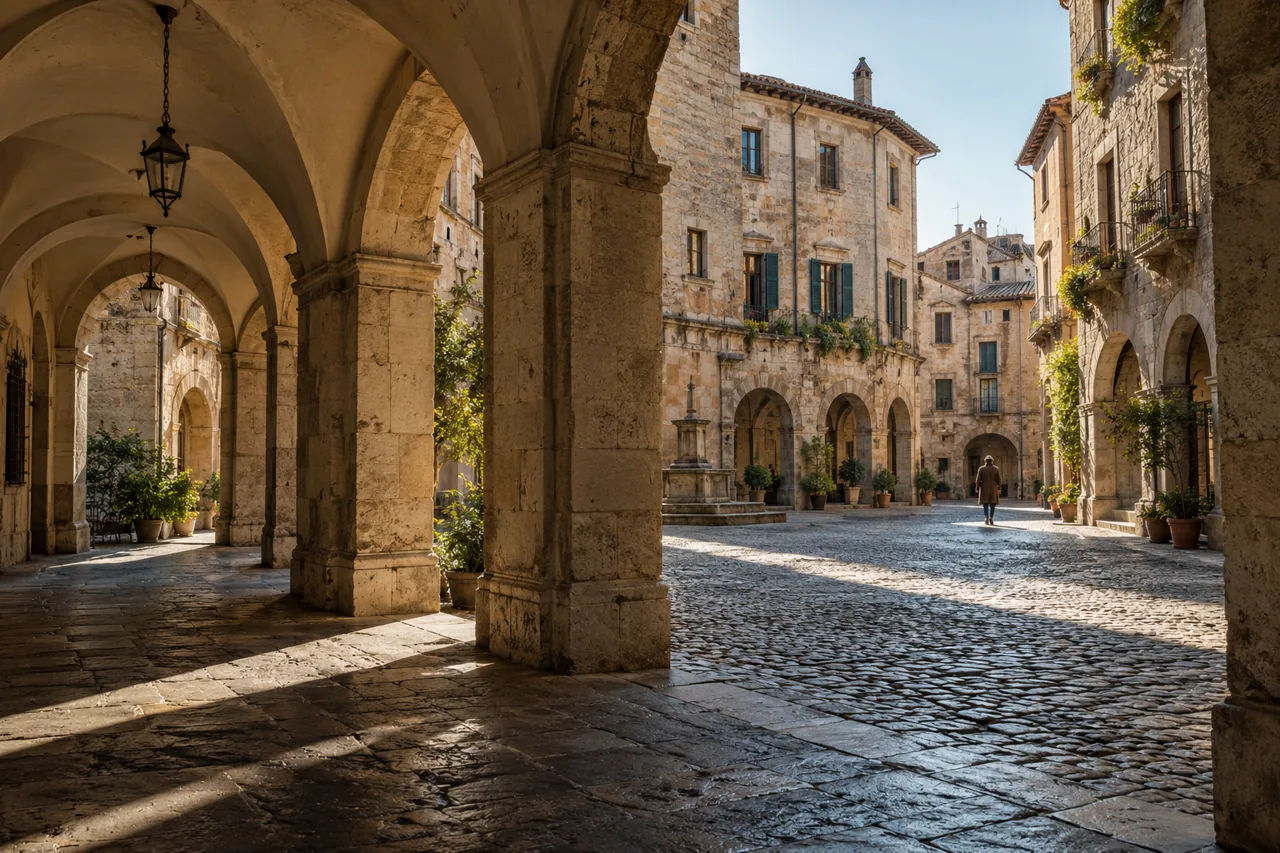
Old streets reward attention to doorways, repeated windows, surface textures, and the spaces between buildings. Pick a small area and a theme rather than rushing across the city for unrelated landmarks. Include an overview, a medium scene, and a detail.
Keep pedestrian routes clear. A photogenic lane may be private, and an open door does not grant permission to enter. Read signs and ask before photographing interiors or making intentional portraits.
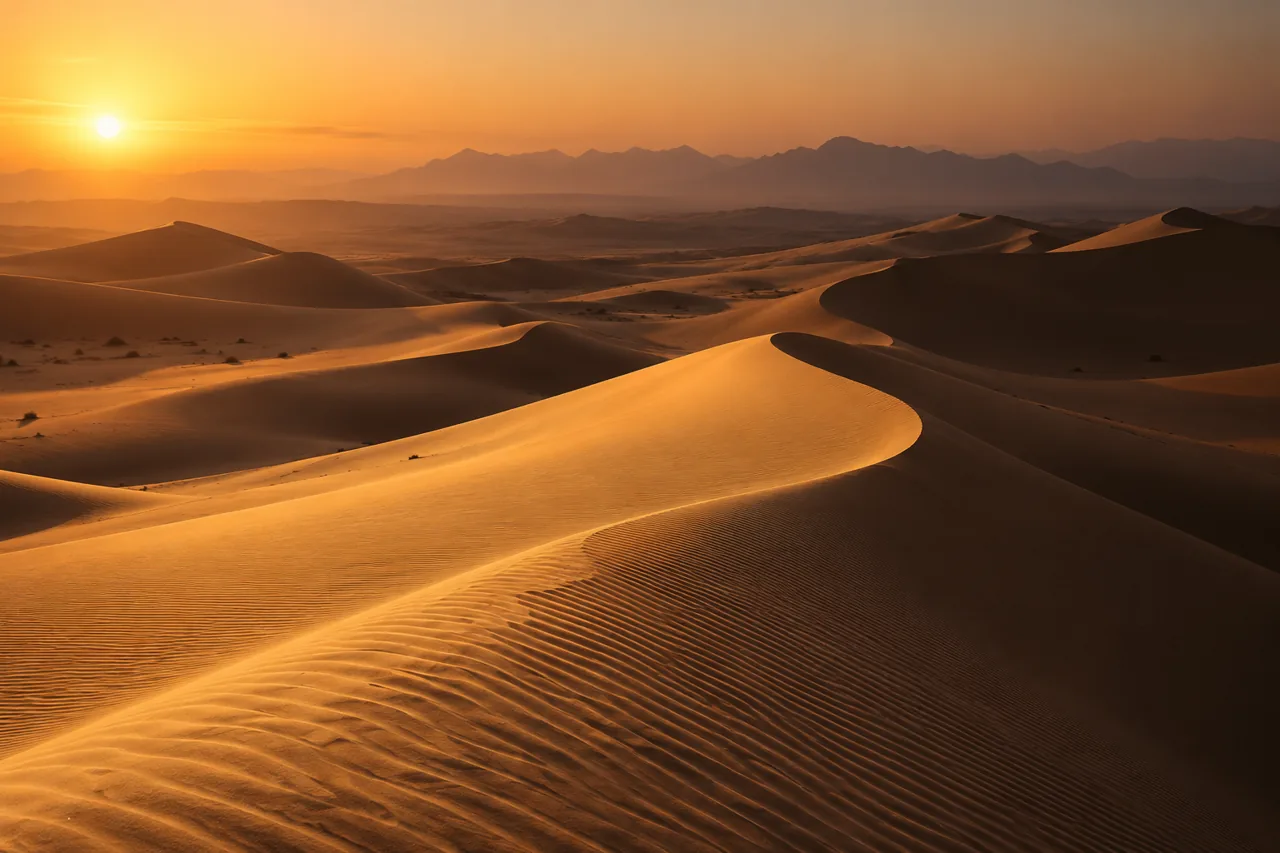
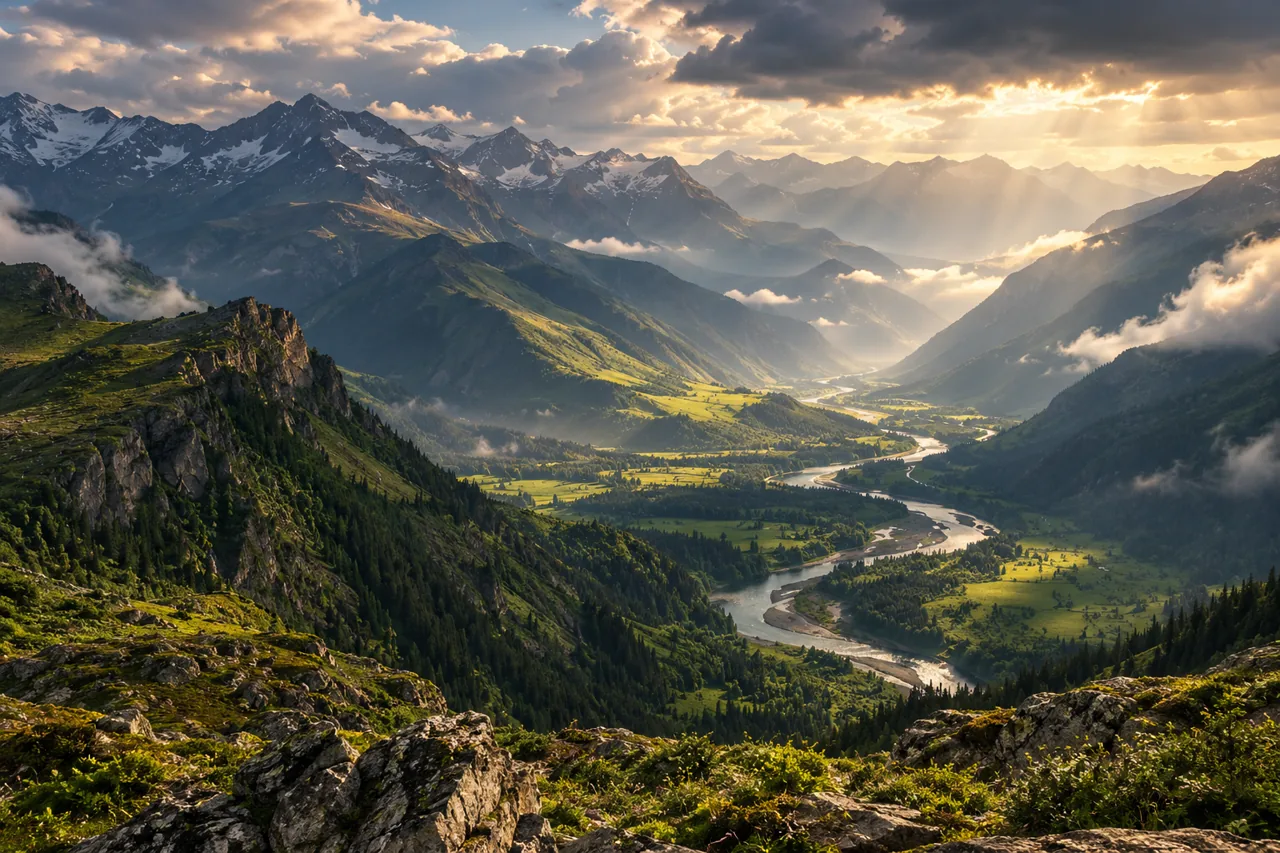
Open landscapes invite simple compositions built from a curve, a shadow, or a horizon. Look for one clear relationship instead of fitting every feature into a wide view. A longer focal length may reveal a pattern that disappears in the panorama.
Plan around managed access and realistic conditions. Heat, wind, sand, and distance affect both the session and your return. Stay on permitted routes, and choose a tighter view when reaching the apparent ideal position would be damaging or unsafe.
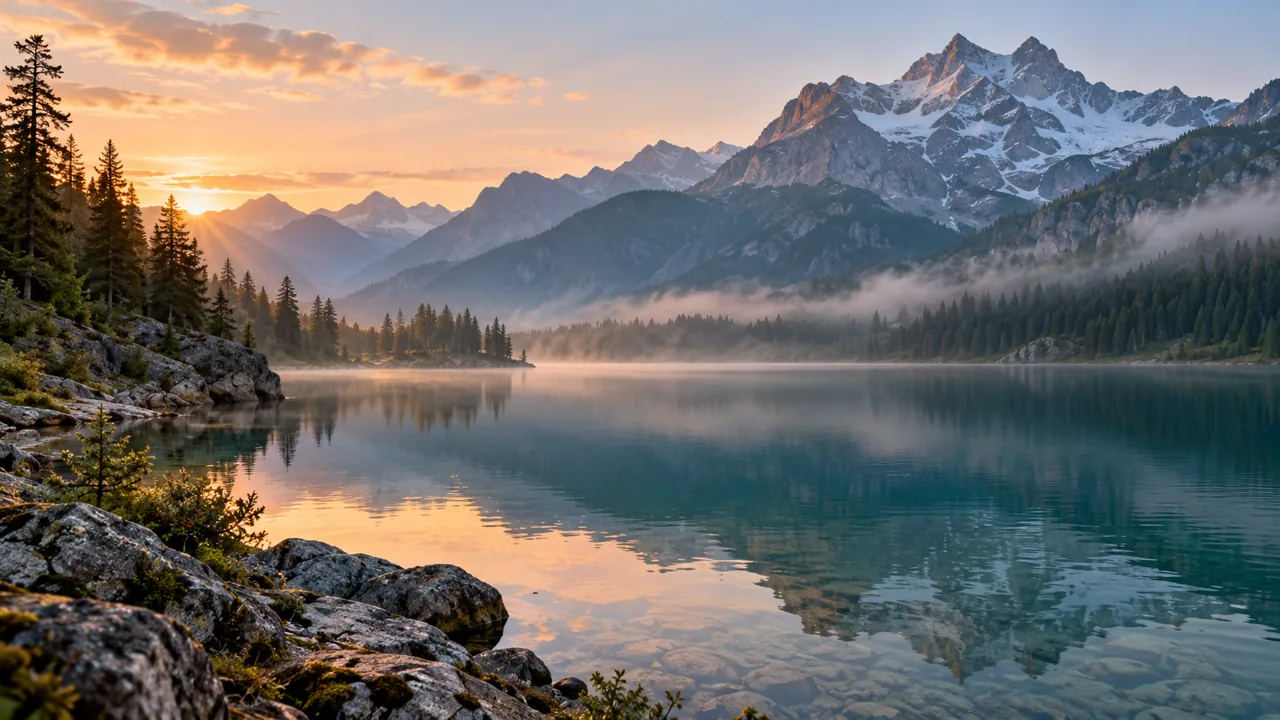
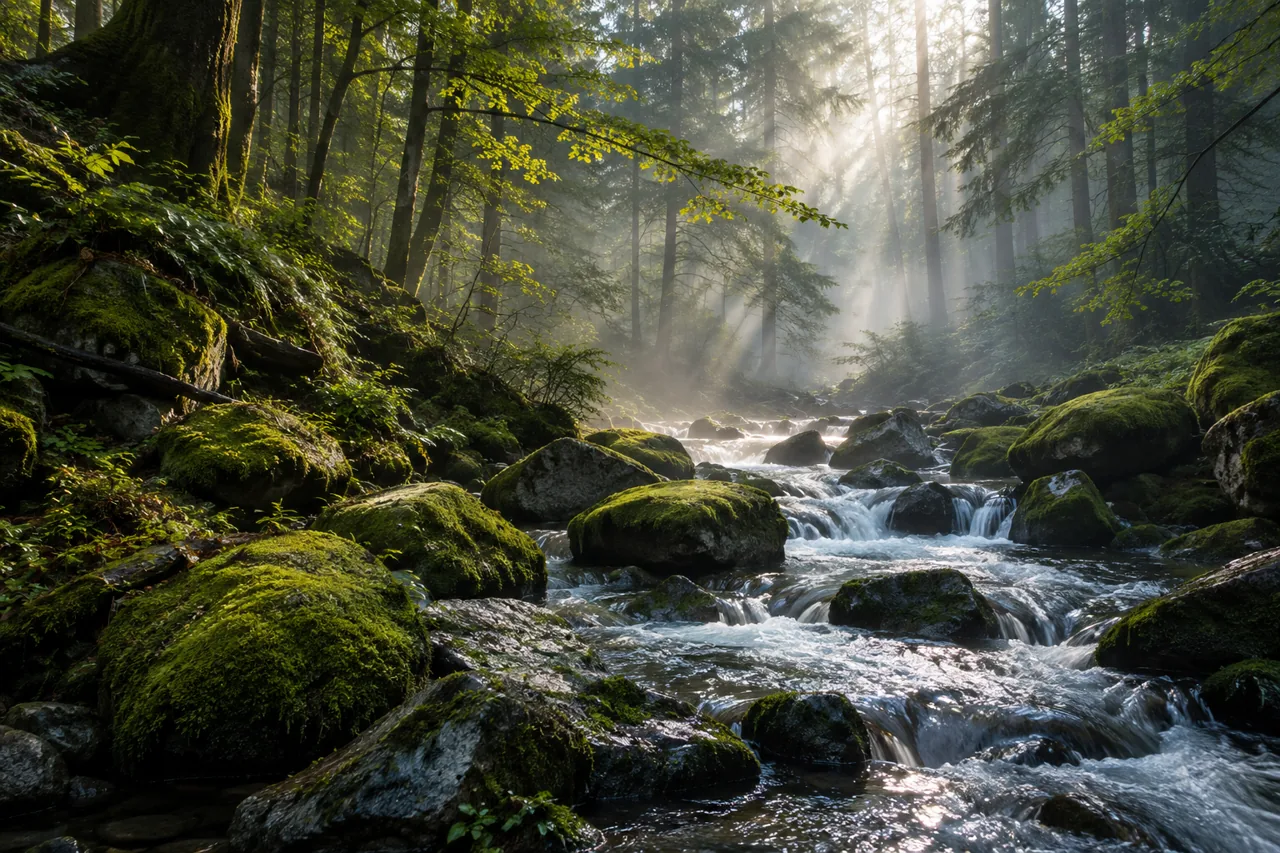
A forest or river close to home can become a rich photographic project. Repeat visits reveal different water levels, leaf colors, and light directions. You can learn the route without feeling obliged to make every frame on one expensive journey.
Look for separation in a busy scene: a pale trunk against darker foliage or a small bend in a stream. Cloud can suit details, while wind may blur branches during a long exposure. Photograph from established paths and leave the scene as you found it.
Golden hour is a quality of light, not a promise on the clock.
The low sun near sunrise or sunset can reveal shapes, warm surfaces, and long shadows. Its useful duration changes with the season, latitude, weather, and local horizon. A mountain or tall building can hide sunlight before the predicted sunset time.
Scout the route while you can see it clearly. Prepare a wide image, a tighter arrangement, and one detail so that a disappointing sky does not end the story. If cloud removes the warm glow, look for even color, reflected light, or textures instead.
Work with exposure in response to your subject. Moving people need different decisions from still architecture. Review a test frame, protect important highlights, and leave while the return remains suitable for your preparation.
One strong session and a few nearby subjects can be more useful than a packed itinerary.
Give the trip a one-sentence brief. Perhaps you want to photograph how a town meets the sea, or how a city uses its public squares. That brief helps you choose a base, keep the equipment modest, and know which stops can wait for another journey.
AI-generated illustration · Conceptual scene
Research the actual location
Use maps to understand distance and orientation, then check official visitor information for access. An image can suggest an idea without proving that the route is open. Keep source links and note questions that still need an answer.
Build a flexible shooting schedule
Group nearby subjects and reserve room for scouting, meals, and a second attempt. Check light direction as well as astronomical times. A workable return route belongs in the plan from the beginning.
Carry what you will use
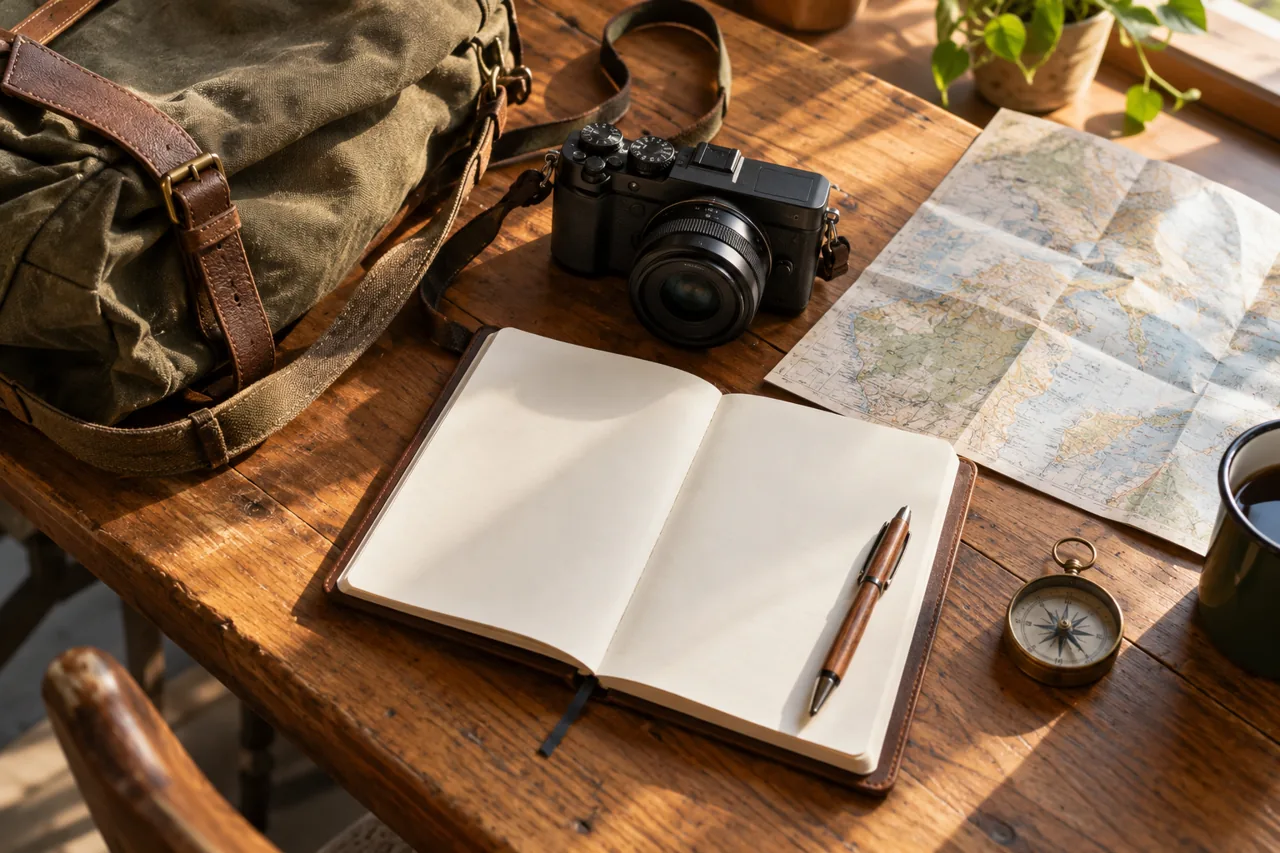
Choose equipment around the project and your ability to carry it. Practice the controls before leaving, and test the bag on a local walk. A permitted, comfortable kit gives you more freedom to observe.
Give weather a different subject
A genuine alternative changes the outing: details in permitted shelter instead of another exposed overlook. Recheck official weather and transport notices close to departure. Leave a session when conditions exceed your preparation.
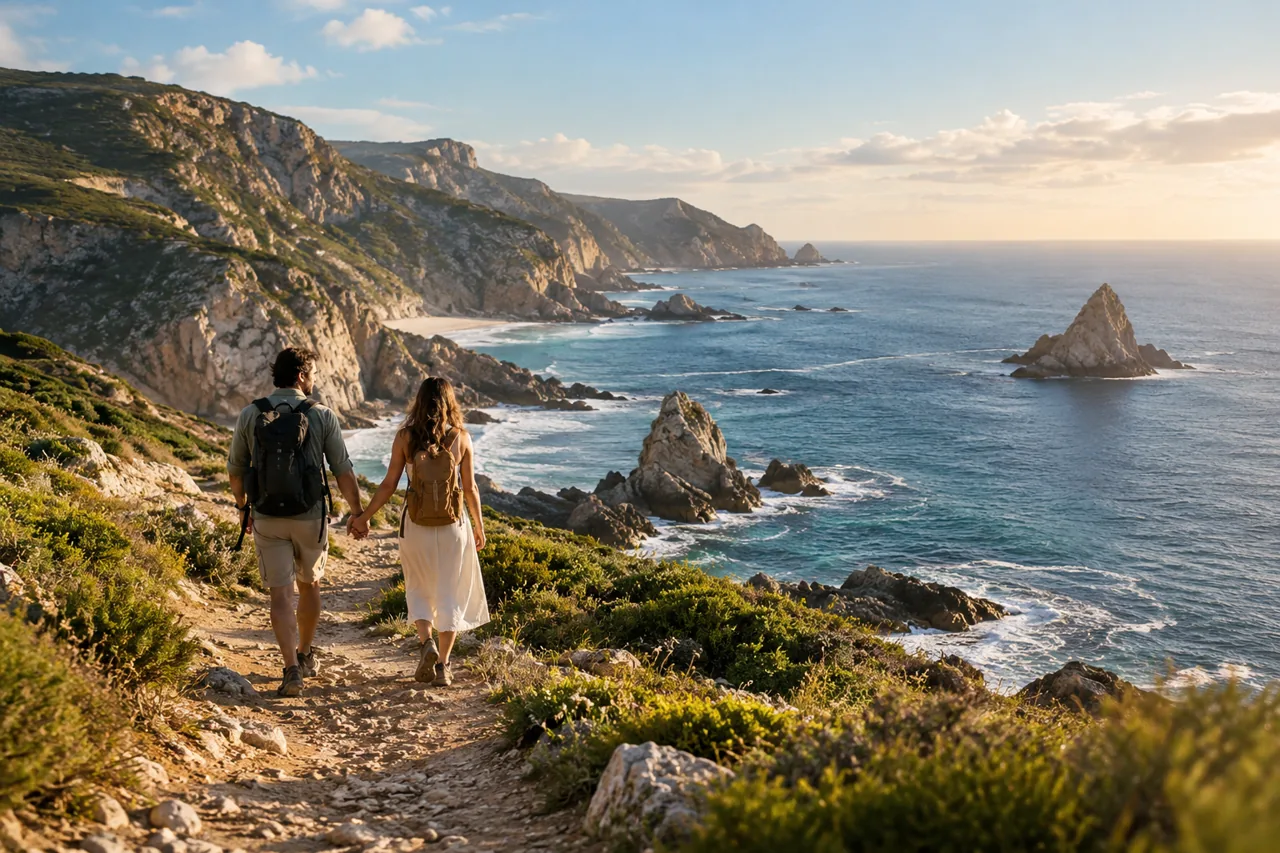
Shared journeys have a rhythm that a landscape alone cannot explain. Photograph the arrival, a walk, a quiet pause, and a detail from the day. Ask companions how much time they want to spend making pictures, and give everyone room to put the camera away.
For couples, choose a meaningful location and a short session. Walking or looking at a view can feel more natural than complicated posing. For families, let the collection reflect each person's interests instead of treating everyone as supporting figures in the photographer's project.
A small album can preserve the sequence better than hundreds of near-identical files. Add the date, place, and one particular memory. If you are preparing an anniversary keepsake for your husband, anniversary message ideas from HeartfeltTexts can help you begin a personal note. Make the final words about the experience you shared.
Try editing a day into five photographs: the place, the activity, a person with consent, a small detail, and a closing moment. Each frame should bring something the others do not. This makes selection a creative decision rather than a search for the sharpest version of the same view.
Keep captions specific. Describe what you know and separate it from your impressions. A place name, a moment of light, and a reason the picture matters are often enough. Do not assign a building's age or a person's story just from appearance.
Words can also help when giving prints to someone. For a collection about shared joy, MessageBlessings' happiness quote collection may provide a starting point. Personalize any suggestion with an actual detail from the journey, and attribute a named quotation if you use one.
Back up original files and keep an independent copy where practical. Save edits separately, review sharing choices with people in the images, and avoid posting sensitive location details. A memory does not need a public audience to be valuable.
AI-generated illustration · Fictional setting
Structure & atmosphere
The city beyond its landmarks.
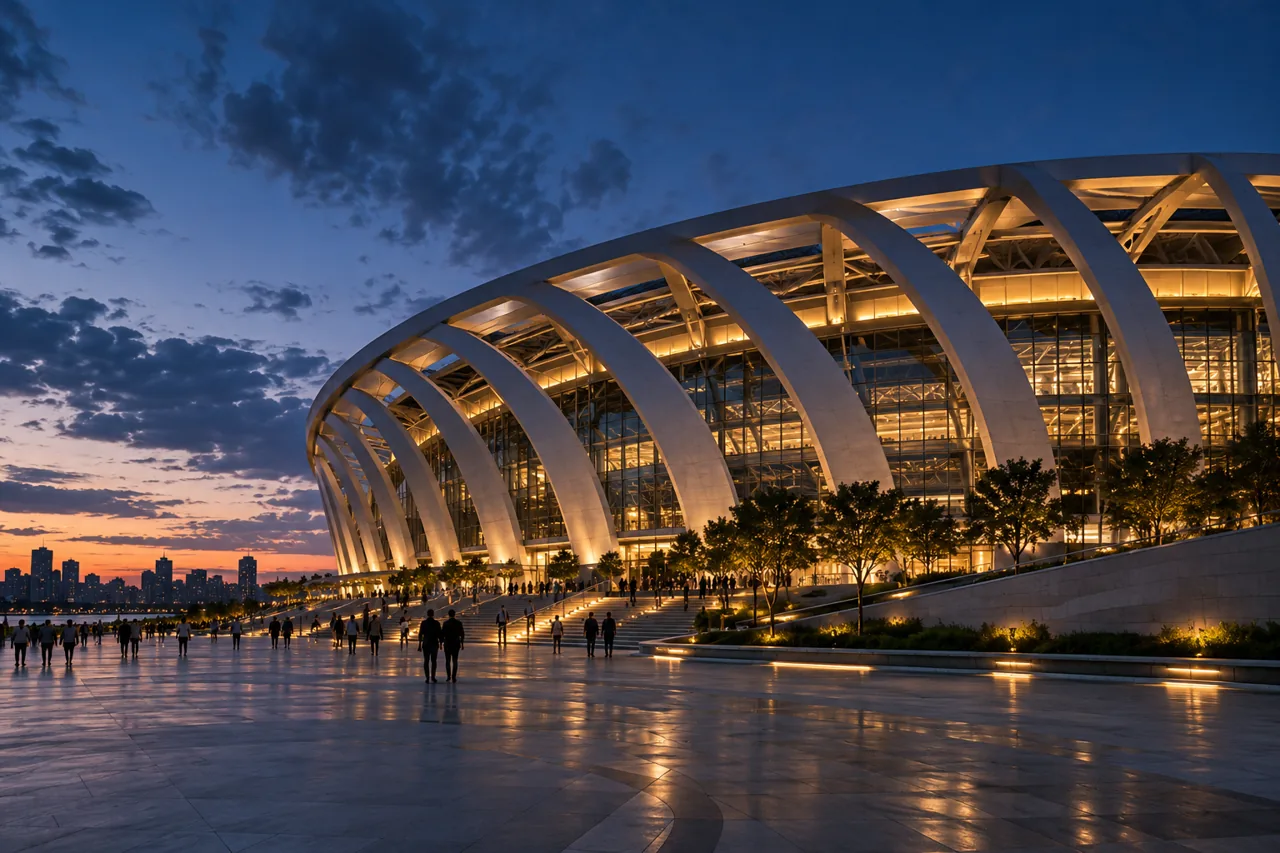
Contemporary buildings and event environments offer a different kind of travel story. Look at repeated supports, reflections, scale, and the relationship between a venue and the streets around it. A careful exterior detail can describe a building without needing special access.
Separate public surroundings, controlled grounds, and ticketed interiors. Each can have different conditions. Check camera and bag rules for the exact event, keep entrances clear, and avoid treating a spectator ticket as a media credential.
Transport is part of the photograph's practical context. For a SoFi Stadium outing, VenueGuideHQ's independent arrival and parking guide can help you start researching the approach. Confirm current logistics with the official operator and check photography permission separately.
Separate architecture, event atmosphere, and visitor access before you pack.
6 min read ↗
Leave room for others
Travel with care. Photograph with respect.
People, buildings, and landscapes are not props. Keep paths open, respect private property, and ask before making an intentional portrait. Follow signs and staff instructions in religious spaces, museums, venues, and managed natural areas. A publicly visible subject does not settle every question about access or publication.
Do not move plants, feed wildlife, cross barriers, or leave equipment where it disrupts the place. When a frame is unavailable, change the photograph. Responsible limits can encourage better observation rather than prevent a worthwhile story.
The National Park Service's photography resources provide a starting point for park-related inspiration; use the specific park's current visitor information for your trip. For other destinations, look for the relevant official operator or local authority.
An independent publication
Good travel stories begin with honest observation.
World Photo Tour publishes research-led guides and creative suggestions without claiming unverified firsthand visits. Destination-specific facts need identifiable sources; general technique examples remain examples. Our visual library contains AI-generated illustrations, clearly labeled and never presented as documentary evidence.
Start with the guide that answers your next question. Choose a place, prepare the route, study the light, or make a small story with someone you care about. Keep the project manageable, and leave enough space for the unexpected.